.
Found Injured Wildlife?
Paleontology and Life Organization (PAL) – UC Merced
Established in January 2023, the Paleontology and Life Organization (PAL) at UC Merced is dedicated to enhancing students’ understanding and skills in the natural sciences. PAL provides distinctive opportunities for students to engage with the natural sciences beyond traditional academic study, offering immersive, hands-on experiences through programs such as the Animal Advocates Program and Animal Awareness Program.
A core focus of PAL is the preservation of scientific specimens and fossils, recognizing their vital role in advancing research. For the first time in UC Merced’s history, our organization brings a realistic, museum-quality experience directly to campus, allowing students to work with authentic collections and displays.
In collaboration with the Fossil Discovery Center of Madera County, PAL members contribute to fossil and specimen preservation while gaining real-world, practical experience in the Madera Fossil Discovery Center Paleo Lab. This partnership offers students a rare opportunity to work in a professional paleontological setting, applying their skills to meaningful scientific projects and contributing to the broader understanding of life’s history on Earth.
PAL Naturalist
The PAL Naturalist Program connects students with UC Merced’s native wildlife and habitats, a regional biodiversity hotspot. Using iNaturalist, students practice identifying flora and fauna and apply these skills on birdwatching and bioblitz excursions at sites like the vernal pools and Merced Wildlife Refuge. The program provides hands-on citizen science, real-world data collection, and conservation projects such as rewilding and beautifying Half Dome to build ecological skills and foster environmental stewardship.
Paleo Program
The PAL Paleo Program gives students hands-on experience in paleontology through fossil excavation, identification, and research. Students practice fieldwork skills such as documentation, data collection, and geological analysis while collaborating with institutions like the Madera Fossil Discovery Center. The program combines lab work, workshops, and real-world research to prepare students for careers in the natural sciences.
Animal Awareness
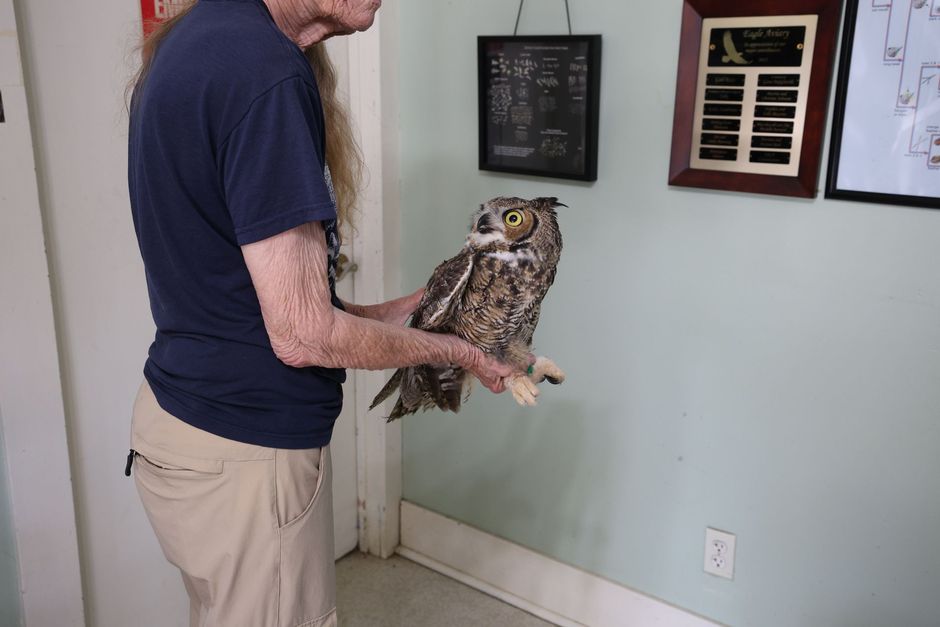
The PAL Animal Awareness Program teaches students about local wildlife conservation, human-wildlife interactions, and responsible animal care. Through partnerships with the Stanislaus Wildlife Center, students learn wildlife rescue, treatment, and rehabilitation. The Animal Advocates component gives hands-on experience caring for rescued domestic animals, including feeding, habitat maintenance, and husbandry. These experiences build practical skills, teamwork, and real-world knowledge, preparing students for careers in conservation, zoology, and veterinary sciences.
Getting Started with PAL
How do I get involved?
Thank you for your interest in the Paleontology and Life Organization!
Joining is easy and open year-round—simply
connect with us on
Catlife and
Discord, and be sure to complete our
interest form to get started.
Do you require prior experience to joining?
Absolutely not! Many of our members join without prior experience in paleontology or life sciences—and that’s something we truly value. We provide opportunities to grow, learn, and develop skills at any stage, regardless of background or experience level.
How do I become an active member?
To remain an active member, you must participate in at least one program approved by our project leads, maintain a GPA of 2.00 or higher, and attend at least two events hosted by the Paleontology and Life Organization. Members who do not meet these requirements may be reclassified as inactive.
How Do I Sign Up on CatLife?
To become a member, follow these steps:
- Visit Catnet using the link provided below.
- Click Join.
- Log in with your UCM account to complete the process.